
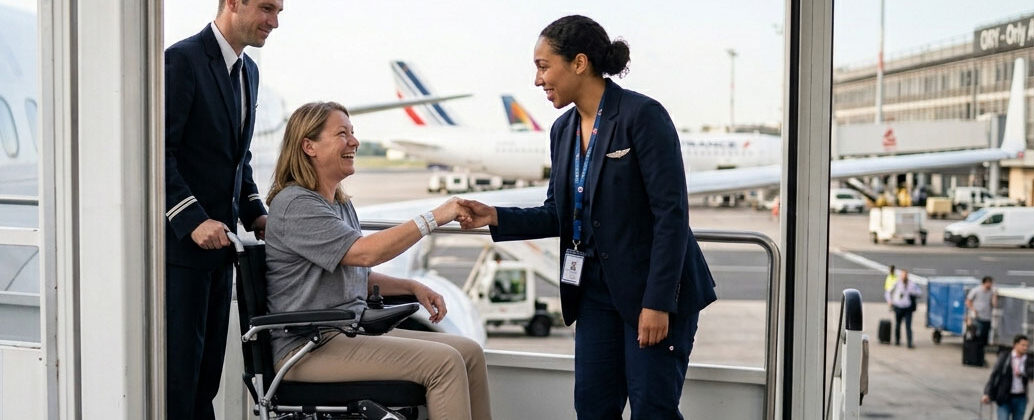
Travel for Disabled People is becoming easier as accessibility improves across airlines, flights, airports, and tourism services. While travel once presented major obstacles for many individuals with mobility or health challenges, the modern travel industry increasingly recognizes the importance of inclusive tourism.
Today, Travel for Disabled People is supported by better infrastructure, stronger regulations, and growing awareness among service providers. From accessible air travel to wheelchair-friendly hotels and organized medical support, travelers can now explore the world with more confidence.
For people with disabilities, planning ahead remains essential. With the right preparation, resources, and travel tips, it is possible to experience new cultures, visit exciting destinations, and enjoy meaningful journeys safely.
Plan Accessible Travel with Confidence
Travel for Disabled People is becoming more realistic as many regions develop better accessibility standards. Across the world, cities are adapting transportation systems, hotels, and tourist sites to welcome people with disabilities.
In Europe, several cities have made significant progress in creating inclusive tourism experiences. Places such as Barcelona, Copenhagen, and Vienna are often considered friendly destinations for accessible tourism. Even locations traditionally seen as challenging, such as Santorini, are improving infrastructure for visitors with mobility limitations and other forms of disability.
Planning Travel for Disabled People often begins with selecting the right destinations. Choosing locations known for accessible travel ensures a smoother journey and more enjoyable sightseeing opportunities.
Many tourism boards now highlight accessible activities, allowing visitors to enjoy museums, historic sites, and cultural experiences while maintaining independence.
For many travelers, exploring the world means discovering new landscapes and enjoying thrilling adventures. Today, Travel for Disabled People can include outdoor activities, nature excursions, and unique cultural experiences.
Accessible tourism providers now offer adapted adventure programs such as:
These activities allow travelers to maintain their preferred travel style while discovering new environments.
Inclusive tourism providers focus on creating accessible fun while maintaining safety and comfort for participants. These experiences allow travelers with different forms of disability to fully participate in meaningful exploration and share memorable moments with fellow travelers.
Cruising has become one of the most convenient forms of Travel for Disabled People.
Many modern ships offer:
Because ships function as floating resorts, travelers can visit multiple destinations while remaining in a controlled and accessible environment.
Cruise companies increasingly recognize the importance of accessibility within the travel industry, making cruise vacations an appealing option for travelers with special needs seeking comfortable international travel experiences.
Air travel plays a central role in Travel for Disabled People, especially for long-distance international travel.
Regulations such as the Air Carrier Access Act protect the rights of air travelers and ensure airlines provide support for people with disabilities.
Airlines must assist passengers with:
Programs such as TSA Cares help travelers with disabilities navigate airport security procedures more easily.
Travelers can also register with the Smart Traveler Enrollment Program, which provides safety updates and support during international trips.
These protections play an important role in making accessible air travel safer and more predictable for individuals living with a disability.
Travelers with medical conditions should prepare carefully before beginning their journey.
Essential preparation includes:
Proper planning ensures continuity of medical care and reduces stress during Travel for Disabled People.
In some situations, medical transport specialists may assist with travel arrangements when long-distance medical travel is required, particularly for travelers whose disability requires additional medical supervision.
Speak with an Accessible Travel Specialist
For many wheelchair users, accessible infrastructure determines whether a destination is suitable.
Airports now offer assistance services for wheelchair users, including:
Airlines also provide transfer chairs to help passengers move safely between the terminal and the aircraft.
These services help make Travel for Disabled People smoother and more comfortable for passengers living with a disability that affects mobility.
Choosing the right hotel is essential for a successful accessible trip. Many hotels now offer accessible accommodations designed to meet the needs of travelers with mobility limitations.
Features may include:
Popular attractions such as theme parks have also improved accessibility. Many now offer priority access systems, adapted ride seating, and assistance services to ensure accessible fun for all visitors.
Travelers planning Travel for Disabled People should contact hotels and attractions in advance to confirm accessibility details and ensure their needs are properly accommodated.
Request Medical Travel Assistance
Several organizations provide guidance for Travel for Disabled People.
For example, Mobility International USA promotes inclusive tourism and offers valuable advice for travelers with disabilities.
Online communities also provide support, allowing fellow travelers to share experiences, travel tips, and recommendations for accessible travel.
Using an accessible travel guide can simplify planning and help travelers identify accessible transportation, hotels, and attractions.
These resources continue to play a major role in improving the global experience of Travel for Disabled People and ensuring that tourism remains inclusive for individuals living with a disability.
The future of Travel for Disabled People is increasingly promising. As accessibility improves across the travel industry, more travelers can enjoy global exploration and cultural discovery.
With careful preparation, reliable resources, and supportive travel services, Travel for Disabled People can include exciting destinations, cultural sightseeing, and even thrilling adventures.
The world is gradually becoming more inclusive, allowing travelers with disabilities to experience accessible fun, meaningful journeys, and unforgettable memories across the world.
Accessible tourism continues to evolve as governments, airlines, hotels, and tour operators recognize that travelers with disabilities are an important part of global tourism. With better planning tools, improved accessibility standards, and growing awareness, Travel for Disabled People will continue expanding opportunities for inclusive and rewarding travel experiences.
In situations where travelers require additional medical support, specialised solutions such as those offered by Air Stretcher can play a key role. By organising commercial stretcher flights and medically supervised travel, we help ensure that individuals with reduced mobility or medical conditions can travel safely over long distances.
This type of structured medical transport complements the broader progress in accessibility, making international travel more inclusive for those who require tailored support.
Explore Safe Travel Solutions for Disabled Travelers
